
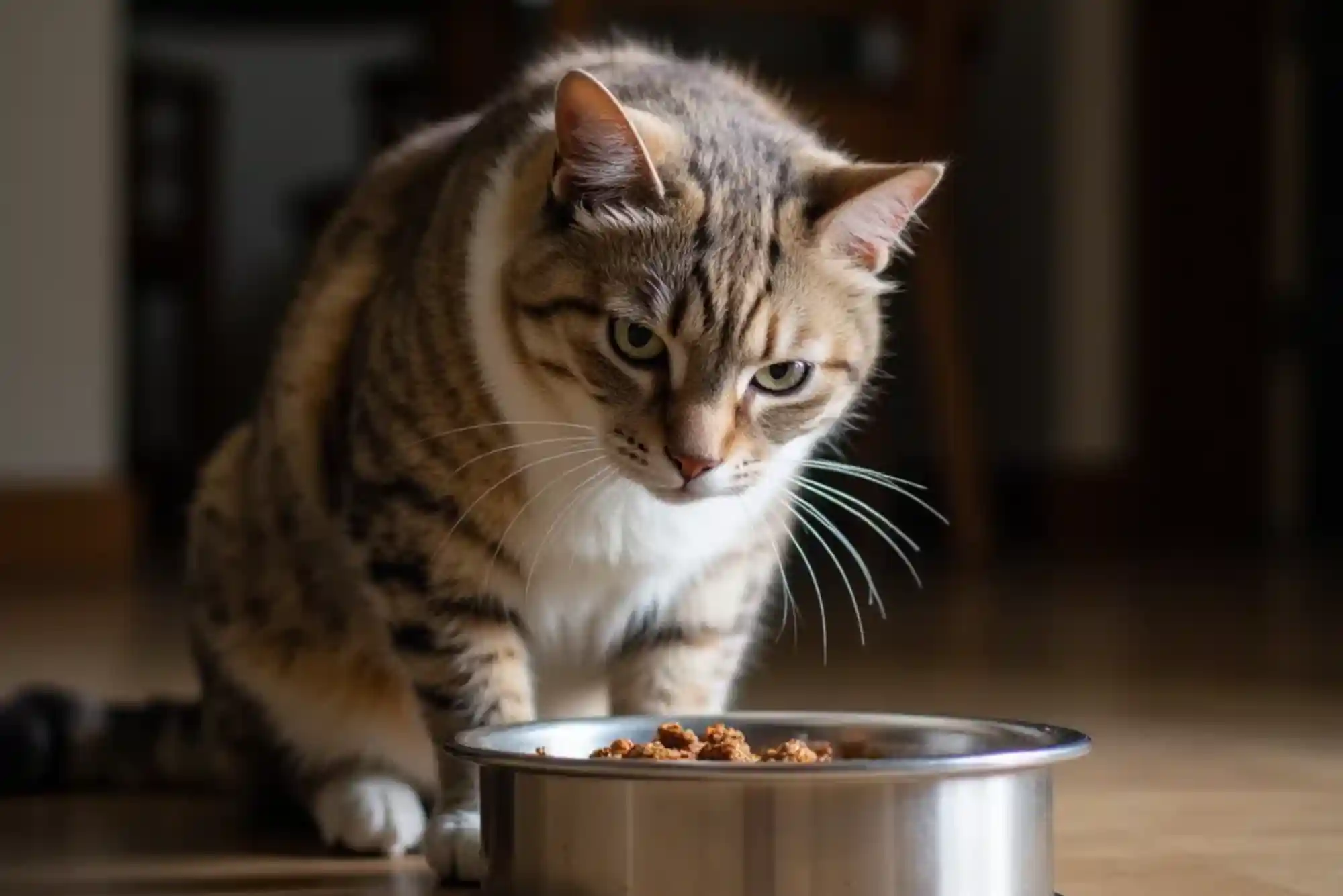
Intrduction
Feline diabetes is a complex metabolic condition, but understanding feline diabetes symptoms, insulin care, and low-carb wet food meal plans can completely change your cat’s prognosis. When a cat is diagnosed with diabetes, it feels overwhelming for any pet parent. However, early detection combined with proper medical care and strict dietary changes allows many cats to live long, happy lives. In fact, some cats even achieve diabetic remission. Let us explore how you can manage this condition like a true expert and give your furry friend the best quality of life possible.
Recognizing Feline Diabetes Symptoms Early
Spotting the initial warning signs of diabetes can save your cat from dangerous complications. The pancreas either fails to produce enough insulin or the body’s cells stop responding to it properly. Because glucose cannot enter the cells, it builds up in the bloodstream.
Excessive thirst becomes one of the very first red flags you might notice.
Frequent urination means your cat fills the litter box much faster than usual.
Ravenous appetite often tricks owners into thinking their cat is just healthy and growing.
Rapid weight loss happens because the body starts breaking down muscle and fat for alternative fuel.
Weakness in the hind legs, known as a plantigrade stance, can occur in advanced or unmanaged cases.


Catching these symptoms early shifts the trajectory of the disease. If you notice your cat dropping weight while eating everything in sight, schedule a veterinary visit immediately. Blood and urine tests will quickly confirm whether high blood glucose is the root culprit.
Mastering Home Insulin Care and Daily Routines
Once a diagnosis is locked in, daily insulin therapy usually becomes a non-negotiable part of your routine. Giving shots to a cat sounds terrifying at first. However, modern veterinary syringes feature microscopic, ultra-thin needles that cause barely a pinch. Most cats do not even react when the injection is given during a meal.
Establish a strict twelve-hour schedule for your morning and evening insulin doses.
Feed your cat right before or during the injection to ensure their blood sugar remains stable.
Rotate injection sites along your cat’s scruff or flank to prevent skin irritation.
Store your insulin vials correctly according to manufacturer guidelines, usually in the refrigerator.
Never alter an insulin dose on your own, even if your cat refuses to eat.
Consistency is the absolute secret to successful insulin management. Your veterinarian will teach you how to handle the syringes safely during your initial training session. Always keep a source of fast-acting sugar, such as corn syrup or honey, on hand for emergency low blood sugar events.
Implementing Low-Carb Wet Food Meal Plans
Dietary management is just as crucial as insulin injections when managing feline diabetes. Cats are strict obligate carnivores designed to thrive on high protein and minimal carbohydrates. Feeding a high-carb dry kibble creates a constant rollercoaster of spikes and crashes in their blood glucose levels.
Choose canned wet foods that contain fewer than ten percent carbohydrates on a dry matter basis.
Eliminate dry kibble entirely because even grain-free formulas require high starch levels to hold their shape.
Focus on high-quality animal proteins like chicken, turkey, and rabbit to maintain lean muscle mass.
Increase vital moisture intake to protect hard-working kidneys from dehydration and strain.
Weigh your portions carefully to help overweight cats shed pounds and reverse insulin resistance.
Transitioning your cat to a low-carb wet food meal plan will dramatically lower their blood glucose levels. Because of this powerful shift, your veterinarian must adjust your cat’s insulin dose simultaneously to avoid dangerous hypoglycemia. Never switch their food cold turkey without medical oversight.
Frequently Asked Questions
Can feline diabetes go into remission?
Yes, feline diabetes can go into remission, especially when diagnosed early and treated aggressively with a low-carbohydrate diet and proper insulin therapy. Many cats eventually stop needing insulin altogether.
Why is wet food better than dry food for diabetic cats?
Wet food contains significantly fewer carbohydrates and higher moisture levels than dry kibble. Low carbohydrate content prevents dangerous blood sugar spikes, helping maintain stable glucose control.
How do I know if my cat’s blood sugar is too low?
Signs of low blood sugar include weakness, lethargy, wobbling, trembling, or seizures. If you notice these signs, rub a small amount of corn syrup on their gums and contact your emergency vet immediately.
What causes cats to develop diabetes?
The primary risk factors for Type 2 feline diabetes include obesity, physical inactivity, advanced age, male gender, and long-term steroid use. Keeping your cat lean and active is the best prevention strategy.