
Introduction
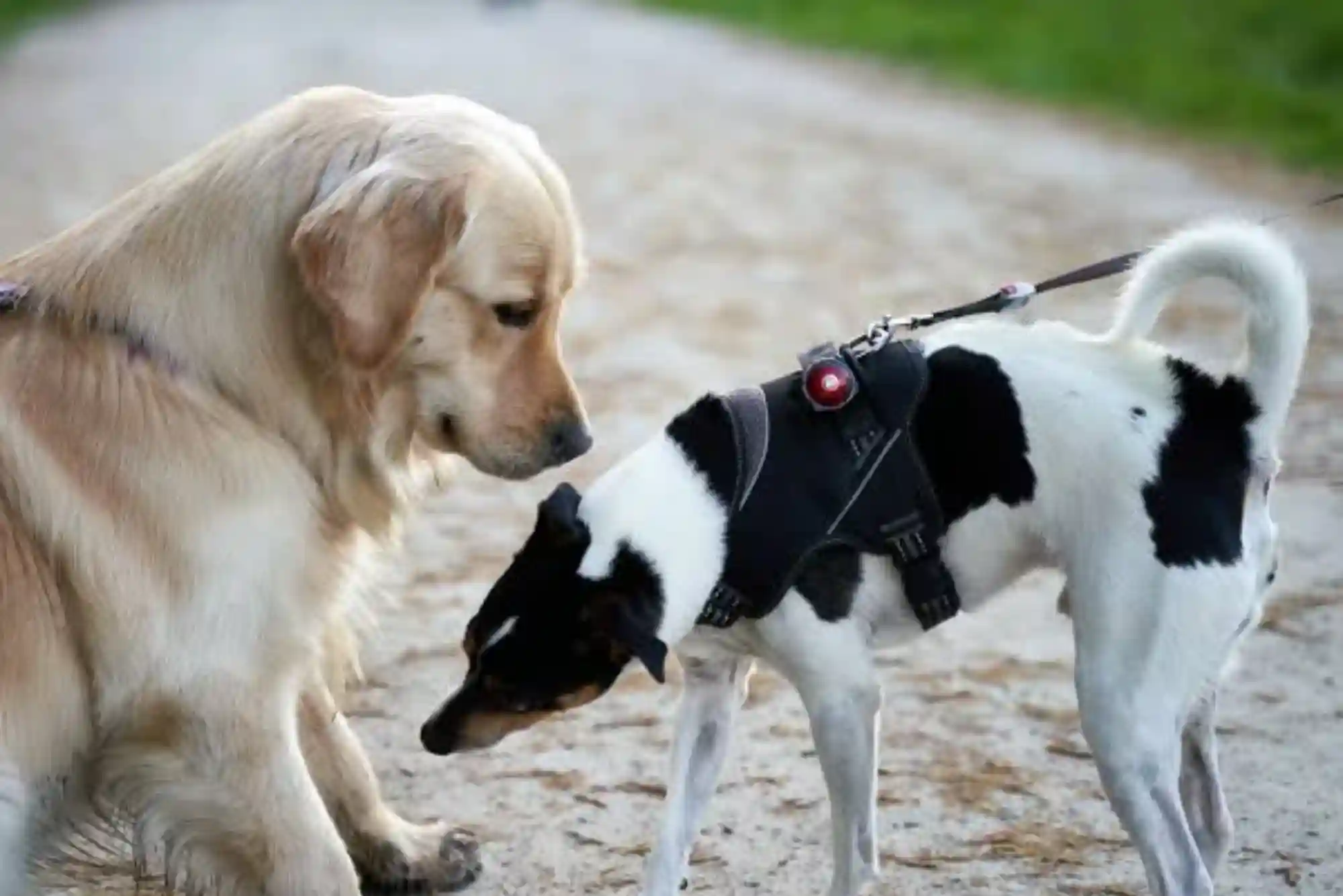
Introducing two adult dogs can feel stressful, especially when either dog has an unknown history. However, careful preparation can make the first meeting much safer and calmer. Learning how to introduce two adult dogs on neutral territory without fighting starts with controlling the environment, reading body language, and avoiding unnecessary pressure.
Adult dogs often need more time to accept one another than puppies. Their personalities, previous experiences, guarding tendencies, and social preferences all matter. Therefore, forcing an immediate face-to-face meeting can create tension.
A neutral location gives both dogs space without making either dog feel that another animal is invading its territory. With patient handling, gradual introductions, and close observation, many adult dogs can develop a comfortable relationship.
Why Neutral Territory Matters When Introducing Adult Dogs
Dogs can become defensive when another animal enters their home, yard, crate area, or favorite resting place. These spaces carry familiar smells and resources. Consequently, a dog may react more strongly at home than it would elsewhere.
Neutral territory reduces this territorial pressure. A quiet sidewalk, unfamiliar park, open field, or calm outdoor area can work well. The location should be secure and relatively free from other dogs.
When considering how to introduce two adult dogs on neutral territory without fighting, remember that the goal is not immediate friendship. The first goal is calm coexistence.


A successful first meeting may simply involve both dogs walking peacefully near each other. That is already meaningful progress.
Prepare Before the Dogs Meet
Preparation should begin before the dogs arrive at the meeting location. Each handler should use a secure leash and comfortable collar or harness.
Avoid retractable leashes during the introduction. They can make distance difficult to control. A standard leash provides better handling without unnecessarily restricting movement.
Both dogs should ideally have exercised beforehand. However, avoid exhausting either dog. A relaxed dog is easier to manage than one that is overstimulated.
It is also useful to understand each dog’s normal behavior. Consider whether either dog has shown fear, leash reactivity, resource guarding, or aggression before.
If either dog has a history of serious aggression, professional guidance is strongly recommended. A qualified veterinary behaviorist or experienced reward-based behavior professional can create a safer introduction plan.
Choose the Right Neutral Location
The location can significantly influence the outcome. Choose somewhere unfamiliar, spacious, and relatively quiet.
Avoid narrow trails, crowded dog parks, busy sidewalks, or areas containing valuable resources. Food bowls, toys, resting spaces, and favorite objects can trigger competition.
The meeting area should also have enough room for both handlers to move away if tension develops.
Ideally, two people should handle the dogs. Each person can focus on one dog while maintaining communication with the other handler.
Start With Distance Instead of Direct Contact
One of the most important principles in how to introduce two adult dogs on neutral territory without fighting is starting with distance.
Do not immediately place the dogs nose-to-nose. Instead, begin far enough apart that both dogs can notice each other without becoming overwhelmed.
Watch their reactions carefully. A relaxed dog may sniff the ground, look away, walk naturally, or show loose body movement.
If both dogs remain comfortable, gradually reduce the distance. Move slowly rather than rushing toward direct interaction.
This approach allows the dogs to process each other’s presence without feeling trapped.
Walk the Dogs in the Same Direction
Parallel walking is often more comfortable than a direct greeting. Have both handlers walk in the same direction while maintaining several feet of distance.
The dogs can see and smell each other without being forced into close contact.
Over time, gradually reduce the distance if both dogs remain relaxed. Keep the pace comfortable and avoid sudden changes.
A calm walk also gives the dogs something constructive to focus on. Instead of staring at each other, they can explore their surroundings.
If one dog becomes tense, increase the distance again. Moving farther away is not failure. It is a useful way to prevent escalation.
Learn to Read Dog Body Language
Understanding canine body language is essential when learning how to introduce two adult dogs on neutral territory without fighting.
Relaxed body language usually includes loose muscles, natural movement, normal breathing, and comfortable sniffing. A dog may briefly glance at another dog and then return attention to its surroundings.
Warning signs require more space. These may include stiff posture, prolonged staring, raised hackles, freezing, growling, lunging, or repeated attempts to move directly toward the other dog.
Do not punish a warning signal such as growling. Growling communicates discomfort and gives you valuable information.
Instead, calmly create more distance. The objective is to reduce pressure before the dog’s behavior escalates.
Allow a Brief Greeting When Both Dogs Are Ready
Once both dogs appear comfortable, allow a short greeting. Keep the leashes loose whenever safely possible.
A brief sniff is enough. The dogs do not need to interact for several minutes.
After a few seconds, calmly separate them and continue walking. This gives both dogs an opportunity to decompress.
Short, successful interactions are often better than prolonged greetings. Ending on a positive note can prevent unnecessary excitement.
If the dogs repeatedly choose to disengage from each other, respect that choice. Friendly coexistence does not require constant physical interaction.
Avoid Tight Leash Handling
Many owners instinctively tighten the leash when they feel nervous. Unfortunately, excessive leash tension can increase frustration or anxiety.
A tight leash may restrict natural movement and make the dog feel trapped. It can also communicate tension through the handler’s body language.
Maintain control while allowing reasonable freedom of movement. If you need to increase distance, calmly guide the dog away rather than pulling suddenly.
Your own behavior matters. Calm, predictable handling can help create a calmer environment.
Watch for Signs the Introduction Is Going Well
Successful introductions do not always look exciting. In fact, calm behavior is usually the best sign.
Both dogs may sniff the ground, walk beside each other, glance away, explore separately, or respond normally to their handlers.
They may also investigate each other’s scent without becoming fixated. These behaviors indicate that the dogs can process the situation without excessive stress.
Do not expect instant play. Adult dogs often need repeated experiences before they become comfortable around a new companion.
Know When to Stop the Meeting
Knowing when to end the interaction is just as important as knowing how to begin.
If either dog becomes increasingly stiff, vocal, fixated, fearful, or difficult to redirect, create more distance immediately.
Do not wait for a fight to happen. Early intervention is safer and more effective.
If either dog repeatedly lunges or attempts to attack, stop the introduction and seek professional help. Safety should always take priority over completing the meeting.
A successful introduction can be divided into several short sessions. There is no advantage to forcing everything into one encounter.
Introduce the Dogs at Home Gradually
Once the dogs can walk comfortably together outside, you can prepare for the next stage.
Before entering the home, remove high-value toys, food bowls, bones, and other items that could create competition.
If possible, continue walking together before entering the house. This can help the dogs transition from outdoor activity into a shared environment.
Allow the dogs to explore without forcing interaction. Give each dog access to a separate resting area.
Supervise early interactions closely. Even dogs that behaved well outside may react differently inside a home.
Give Each Dog Its Own Space
Successful relationships require appropriate personal space. Each dog should have a safe place where it can rest without being disturbed.
Separate feeding areas can also prevent unnecessary competition. During the adjustment period, supervise valuable treats and chew items carefully.
This is particularly important when one dog has a history of resource guarding.
Respecting individual boundaries can reduce household tension. It also gives both dogs opportunities to relax.
What If the Dogs Growl or Snap?
A growl or snap should be treated as communication, not simply disobedience.
The first question should be why the dog felt uncomfortable. Was the other dog too close? Was there competition over food? Did one dog approach too quickly?
Separate the dogs calmly and identify the trigger. Then adjust the next interaction accordingly.
Punishing warning behavior can sometimes suppress communication without resolving the underlying discomfort.
If aggressive behavior is repeated or severe, professional assessment is the safest approach.
How Long Does It Take for Adult Dogs to Get Along?
There is no universal timeline. Some adult dogs become comfortable within several meetings, while others need weeks or longer.
Personality, age, social history, environment, and previous experiences all influence the process.
Therefore, avoid measuring success by how quickly the dogs play together.
A better measure is whether they can remain relaxed in each other’s presence. Calm coexistence is an important foundation for a healthy relationship.
Common Mistakes to Avoid
One common mistake is forcing the dogs to greet immediately. Direct contact can create unnecessary pressure.
Another mistake is using a crowded dog park as the introduction location. Too many distractions can make reactions harder to predict.
Owners should also avoid correcting every interaction. Constant leash corrections can increase tension.
Finally, never assume that one successful meeting means supervision is no longer necessary. Dogs need time to establish predictable boundaries.
How to Introduce Two Adult Dogs on Neutral Territory Without Fighting: The Key Principle
The safest approach combines distance, patience, observation, and gradual exposure.
Start in a neutral location. Keep the dogs separated initially. Walk them parallel to each other and watch their body language.
Reduce the distance only when both dogs remain comfortable. Allow brief greetings when appropriate, then continue walking.
If tension appears, increase distance instead of forcing interaction. Repeat the process over multiple sessions when necessary.
The goal is not to make the dogs become best friends immediately. The goal is to create positive experiences that build trust over time.
Frequently Asked Questions
How do you introduce two adult dogs for the first time?
Start in a neutral outdoor location with two handlers. Keep the dogs at a comfortable distance and walk them parallel.
Gradually reduce the distance while watching their body language. Allow a brief greeting only when both dogs appear relaxed.
What is the best neutral ground for introducing dogs?
A quiet, unfamiliar outdoor area usually works well. Choose a spacious location without food, toys, heavy traffic, or many unfamiliar dogs.
The area should also provide enough room for handlers to increase distance when needed.
Should you let dogs meet face-to-face?
A direct face-to-face approach is not always ideal. Begin with parallel movement and allow the dogs to become aware of each other gradually.
A brief sniff can follow when both dogs appear comfortable.
How long should dogs be separated before meeting?
There is no fixed waiting period. The appropriate timing depends on each dog’s behavior and history.
If either dog is highly stressed, allow more time and consider professional behavioral guidance.
What should I do if my dog growls at another dog?
Calmly increase the distance between the dogs. Avoid punishing the growl because it communicates discomfort.
Once the dog is relaxed, reassess the situation and continue only if it can be done safely.
Can two adult dogs learn to live together?
Yes, many adult dogs can learn to coexist successfully. However, compatibility and individual temperament matter.
Gradual introductions, appropriate management, and consistent boundaries can significantly improve the chances of success.
Conclusion
Learning how to introduce two adult dogs on neutral territory without fighting is primarily about preventing pressure and allowing communication.
Choose neutral ground, begin with distance, use parallel walking, and carefully observe body language. Most importantly, never rush the process because every dog has a different comfort level.