
Study in Uzbekistan for Pakistani Students – Complete Admission Guide
Are you planning to study abroad and looking for a destination that offers quality education, international exposure, and a welcoming environment? Uzbekistan is becoming an interesting option for Pakistani students who want to pursue higher education in a culturally familiar yet internationally connected country.
Located in Central Asia, Uzbekistan has a growing higher education sector, modern cities, historic educational institutions, and universities offering programs in different academic fields. Its location, cultural connections with Pakistan, and developing international education opportunities make it worth considering for students planning their future abroad.
Choosing the right country for higher education is a major decision. You need to consider more than just university admission. The quality of education, degree recognition, language of instruction, student visa process, accommodation, and future career opportunities all matter.
This complete guide explains everything you should know about study in Uzbekistan for Pakistani students, including popular study programs, admission requirements, university selection, documentation, visa procedures, student life, and important considerations before applying.
Whether you have recently completed Matric, Intermediate, FSc, A-Levels, or a bachelor’s degree, understanding the admission process can help you make a better decision.
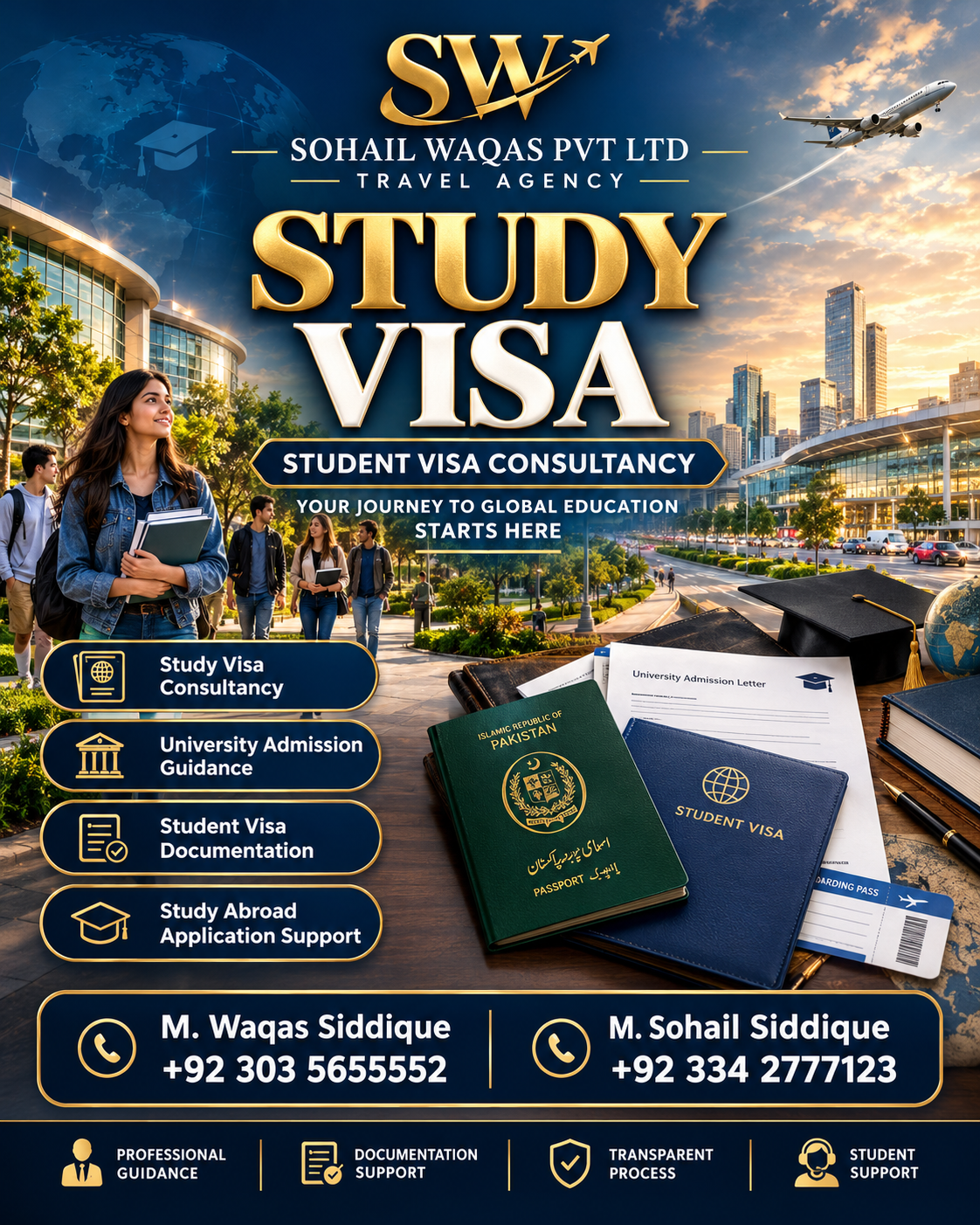
Why Choose Uzbekistan for Higher Education?
Uzbekistan has been developing its higher education system and welcoming international students from different countries. Pakistani students can explore undergraduate, postgraduate, and other academic opportunities depending on their educational background.


There are several reasons why Uzbekistan deserves attention as a study destination.
1. Growing International Education Opportunities
Uzbekistan has public and private higher education institutions offering programs across different academic disciplines.
Many universities are working to improve their academic standards, international cooperation, research activities, and student services.
For Pakistani students, this creates opportunities to explore different academic pathways without limiting themselves to traditional study destinations.
2. Wide Range of Academic Programs
Students can explore various subjects according to their interests and previous qualifications.
Popular academic fields include:
Medicine and healthcare-related programs
Dentistry
Pharmacy
Engineering
Computer Science and Information Technology
Business Administration
Economics and Finance
International Relations
Agriculture
Languages and Humanities
Social Sciences
However, the availability of each subject depends on the university and academic intake.
Students should always review the curriculum, admission requirements, teaching language, and professional recognition of their selected program before applying.
3. Cultural Familiarity
One advantage of studying in Uzbekistan is its cultural connection with the wider Muslim and Central Asian region.
Islam has a long history in Uzbekistan, and students can find mosques, halal food options, and familiar religious traditions in many communities.
Pakistani students may find some aspects of daily life easier to understand because of shared cultural and religious values.
Nevertheless, Uzbekistan has its own language, customs, and social traditions. International students should respect local practices and take time to understand the culture.
4. International Exposure
Studying in another country helps you develop skills beyond academic knowledge.
You learn how to communicate with people from different backgrounds, manage your responsibilities, and become more independent.
An international degree can also help you build professional connections and understand different education systems.
5. Different Learning Environments
Uzbekistan offers universities with different academic structures and teaching approaches.
Some programs use English, while others are delivered in Russian or Uzbek. This gives students different options depending on their language abilities and career goals.
Before selecting an institution, confirm that the complete program is taught in your preferred language, including practical sessions, examinations, and clinical training where applicable.
Popular Courses for Pakistani Students in Uzbekistan
Selecting the right course is one of the most important parts of your study abroad journey.
Your decision should depend on your previous education, academic performance, professional interests, and future career plans.
Here are some popular academic fields to explore.
1. MBBS and Medical Education
Medical education is one of the fields that attracts international attention in Uzbekistan.
Students interested in becoming doctors can explore medical universities and their available undergraduate medical programs.
Before applying, carefully check:
Whether the university is officially recognized in Uzbekistan.
Whether the medical program meets the requirements of the relevant professional authority.
Whether the qualification is acceptable for your intended country of practice.
The language used during lectures and clinical training.
The availability of teaching hospitals and clinical facilities.
The structure and duration of the medical program.
Important for Pakistani medical students: Recognition and licensing requirements must be checked before admission. Consult the Pakistan Medical and Dental Council (PMDC) for its current rules concerning foreign medical education, university eligibility, registration, and licensing examinations.
A university’s international reputation or admission offer does not automatically guarantee permission to practise medicine in Pakistan.
2. Dentistry
Dentistry is another academic option for students interested in oral healthcare and dental sciences.
Dental programs generally combine classroom education, laboratory training, and practical clinical experience.
Before choosing a university, investigate the availability of dental laboratories, clinical facilities, qualified faculty, and practical training opportunities.
Pakistani applicants should also confirm the applicable PMDC requirements for foreign dental qualifications.
3. Pharmacy
Pharmacy is suitable for students interested in medicines, pharmaceutical sciences, drug development, and healthcare services.
Depending on the institution, students may explore subjects such as:
Pharmaceutical chemistry
Pharmacology
Pharmacognosy
Pharmaceutical technology
Clinical pharmacy
Drug safety and quality control
If you plan to work as a pharmacist in Pakistan, verify the relevant Pharmacy Council of Pakistan requirements before enrolling.
4. Engineering
Uzbekistan offers opportunities in different engineering disciplines.
Students may investigate programs in:
Civil Engineering
Electrical Engineering
Mechanical Engineering
Chemical Engineering
Computer Engineering
Industrial Engineering
Engineering students should pay attention to laboratory facilities, practical projects, industry connections, and the academic accreditation of their chosen program.
5. Computer Science and Information Technology
Technology-related degrees are increasingly relevant to international employment.
Pakistani students interested in software development, programming, cybersecurity, and information systems can explore available programs.
Common study areas include:
Software Engineering
Artificial Intelligence
Computer Science
Data Science
Information Technology
Cybersecurity
Information Systems
When comparing programs, check whether students receive practical experience through projects, internships, and research activities.
6. Business and Management
Students who want to build careers in management, finance, or entrepreneurship can explore business-related degrees.
Possible specializations include:
Business Administration
Accounting and Finance
International Business
Marketing
Economics
Human Resource Management
Management Sciences
These programs can provide a foundation for careers in private companies, international organizations, banking, and business development.
Best Universities to Explore in Uzbekistan
Uzbekistan has several higher education institutions that international applicants can investigate.
The right university depends on your selected subject, academic qualifications, preferred language, and future professional goals.
Here are some institutions worth researching.
1. National University of Uzbekistan
The National University of Uzbekistan is a major higher education institution located in Tashkent.
It offers academic opportunities in different disciplines and has an international student admission system.
Students can explore available bachelor’s and master’s programs through its international admission arrangements.
2. Tashkent State University of Economics
Students interested in economics, finance, business, and management can investigate Tashkent State University of Economics.
When considering this institution, review the available specializations, teaching language, faculty qualifications, and admission requirements.
3. Tashkent State Technical University
Tashkent State Technical University is an option for students interested in technical and engineering education.
Applicants should explore its available engineering programs and confirm whether their preferred specialization is open to international students.
4. Samarkand State University
Samarkand State University is another institution students may consider.
Located in the historic city of Samarkand, it offers opportunities across different academic fields.
Students should review its current international admission information and program availability.
5. Tashkent State Agrarian University
Tashkent State Agrarian University offers programs connected with agriculture and related scientific fields.
Its international applicant information includes bachelor’s, master’s, and doctoral study options. Programs are available in different languages, depending on the subject.
6. University of World Economy and Diplomacy
The University of World Economy and Diplomacy is based in Tashkent.
Students interested in international relations, diplomacy, economics, and related fields may explore its international admission opportunities.
The university publishes specific requirements and application periods for international applicants.
University selection tip: Never choose an institution simply because an agent recommends it. Ask for the university’s official admission letter, program details, recognition information, and confirmation of the teaching language.
Admission Requirements for Pakistani Students
The admission process depends on your selected university, degree level, and academic program.
Some institutions assess international applicants through document evaluation and interviews. Others may require entrance tests or additional academic assessments.
Generally, Pakistani applicants should prepare the following documents.
Documents Required for Bachelor’s Admission
If you have completed Intermediate, FSc, ICS, ICom, or an equivalent qualification, you may explore bachelor’s degree programs.
Commonly requested documents include:
Valid Pakistani passport.
Matriculation certificate.
Intermediate or equivalent certificate.
Academic transcripts.
Recent passport-size photographs.
Completed university application form.
English language proficiency evidence, if required.
Additional documents requested by the university.
Documents Required for Master’s Admission
Students who have completed a bachelor’s degree may apply for relevant postgraduate programs.
Common documents include:
Valid passport.
Bachelor’s degree.
Bachelor’s academic transcripts.
Previous educational certificates.
Updated CV, if requested.
Motivation letter or statement of purpose, if required.
Recommendation letters, where applicable.
Language proficiency evidence, if required.
Passport-size photographs.
Documents Required for PhD Admission
Students interested in doctoral education should prepare:
Master’s degree certificate.
Master’s transcripts.
Bachelor’s degree and academic records.
Research proposal, where required.
Academic CV.
Recommendation letters.
Passport copy.
Evidence of language proficiency.
Other documents specified by the university.
Always confirm whether documents need translation into English, Russian, or Uzbek and whether notarization or official attestation is required.
Step-by-Step Admission Process
Understanding the application process makes your journey easier and helps prevent unnecessary delays.
Here is a practical guide for Pakistani applicants.
Step 1: Choose Your Academic Program
Start by deciding what you want to study.
Think about your previous education and the career you want to build.
For example, a student who has completed FSc Pre-Medical may explore medical, dental, or other relevant health sciences programs. An ICS student may investigate computer science and information technology.
Your academic background should match the university’s admission criteria.
Step 2: Research Suitable Universities
Shortlist institutions that offer your selected subject.
Compare their:
Academic programs.
Official recognition.
Teaching language.
Faculty qualifications.
Admission criteria.
Student support services.
Practical training facilities.
International student arrangements.
Don’t rush this stage. A little research now can prevent serious problems later.
Step 3: Check Degree Recognition
Degree recognition is one of the most important issues for Pakistani students.
The Higher Education Commission of Pakistan provides guidance on the recognition and equivalence of foreign qualifications.
According to HEC, foreign universities should be recognized by their respective governments and can be checked through the World Higher Education Database (WHED).
However, general university recognition is not the same as professional licensing.
For example:
Medical graduates must follow PMDC requirements.
Dental graduates must follow the applicable PMDC requirements.
Pharmacy graduates should check Pharmacy Council of Pakistan rules.
Engineering graduates should investigate the relevant Pakistan Engineering Council requirements.
Make these checks before paying any admission-related amount or committing to a university.
Step 4: Prepare Your Documents
Collect all required academic and personal documents.
Check that your name, date of birth, passport details, and academic information are consistent across your records.
If there are spelling differences, discuss the issue with the relevant issuing authority before submitting your application.
Prepare clear scanned copies and keep the original documents safely.
Step 5: Submit Your Application
Apply through the university’s official admission portal or its authorized international admission department.
Some institutions may also use a centralized international admission platform.
For example, Uzbekistan’s official Study in Uzbekistan platform provides information about universities, academic programs, study levels, and languages of instruction.
The application process can differ between universities, so follow the instructions provided by your selected institution.
Step 6: Attend an Interview or Entrance Assessment
Depending on the university and program, you may need to attend an interview or take an entrance examination.
An interview may cover:
Your educational background.
Why you selected the subject.
Why you want to study in Uzbekistan.
Your future professional plans.
Your language abilities.
Your understanding of the selected program.
Answer honestly and confidently.
Step 7: Receive Your Admission Confirmation
If your application is successful, the university will provide official admission confirmation or an admission-related document.
Read it carefully.
Check the following details:
Your full name.
Passport information.
University name.
Academic program.
Degree level.
Language of instruction.
Academic session.
Admission conditions.
Keep a copy of all official correspondence.
Step 8: Complete the Student Visa Process
After receiving admission confirmation, contact the university’s international student office and the relevant Uzbekistan diplomatic mission for the correct student visa procedure.
Do not assume that a tourist e-visa is suitable for long-term education.
Your visa category, supporting documents, and immigration requirements must match your actual purpose of travel.
Step 9: Prepare for Departure
Once your admission and visa arrangements are confirmed, start preparing for your journey.
Arrange your accommodation, travel documents, medical records if required, and personal belongings.
Also, confirm the university’s reporting date and instructions for international students.
Student Visa Requirements for Pakistani Applicants
Visa preparation is a crucial part of the admission journey.
Pakistani students should understand that entering Uzbekistan for a short visit and entering for long-term education are different situations.
The correct visa procedure must be confirmed before travelling.
What Documents May Be Required?
Depending on the current visa procedure and your individual circumstances, the relevant authorities may request:
Valid Pakistani passport.
Official university admission confirmation.
University invitation or supporting visa documents.
Completed visa application.
Recent photographs.
Educational documents.
Proof of accommodation, if requested.
Additional supporting documents specified by the embassy.
The university may assist international applicants with the necessary invitation or supporting documents.
How to Apply for a Student Visa
Follow these general steps:
Obtain admission from a recognized university.
Contact the university’s international student office.
Ask for the required visa support documents.
Confirm the applicable visa category with the Uzbekistan Embassy in Islamabad.
Prepare the required documentation.
Submit your application according to the official procedure.
Wait for the decision before making final travel arrangements.
The official Uzbekistan e-visa portal explains the electronic visa process, but it should not be treated as automatic authorization for long-term study.
The Embassy of Uzbekistan in Pakistan can provide relevant consular guidance.
Important Visa Advice
Never rely only on verbal promises about visa approval.
Before making travel arrangements, verify the latest requirements through official channels.
Also, keep digital and printed copies of your passport, admission documents, visa, and other important records.
Language of Instruction in Uzbekistan
Language is an important factor when selecting a university.
Uzbekistan has several languages used in education, depending on the institution and academic program.
English-Medium Programs
Some universities offer programs in English for international students.
These may be suitable for Pakistani applicants who have studied in English previously.
However, confirm that the entire program is delivered in English. Sometimes, students may find that practical sessions, clinical activities, or communication with local staff require knowledge of another language.
Russian-Medium Programs
Russian is widely used in Uzbekistan’s education system.
Students choosing a Russian-medium program may need to develop strong Russian language skills before or during their studies.
Uzbek-Medium Programs
Uzbek is the national language and is used in many educational institutions.
Students enrolled in Uzbek-medium programs should understand the language requirements before admission.
Should Pakistani Students Learn Uzbek or Russian?
Even if your program is taught in English, learning basic local language skills can improve your daily experience.
You may find it useful when:
Shopping in local markets.
Using public transport.
Communicating with local residents.
Visiting hospitals or clinics.
Handling everyday situations.
Learning a few basic phrases can make a big difference.
Student Life in Uzbekistan
Studying abroad is not just about attending lectures and completing examinations.
Your daily life, social environment, accommodation, food, and personal safety also affect your experience.
Accommodation Options
International students should ask their university about available accommodation arrangements.
Depending on the institution and city, options may include:
University dormitories.
Shared student accommodation.
Private apartments.
Other approved residential arrangements.
Before choosing accommodation, consider its distance from the university, security arrangements, transport access, and available facilities.
If the university provides hostel accommodation, request clear information about room arrangements and student facilities.
Food and Halal Options
Pakistani students who prefer halal food may find suitable options in many parts of Uzbekistan.
Traditional Uzbek cuisine includes dishes such as plov, soups, bread, grilled meat, and rice-based meals.
However, students should always confirm food ingredients and preparation methods if they have specific dietary requirements.
Learning to prepare a few simple Pakistani meals can also make student life more comfortable.
Climate and Weather
Uzbekistan experiences different seasons, including hot summers and cold winters.
Students travelling from Pakistan should prepare for these seasonal changes.
You may need:
Warm jackets.
Winter shoes.
Gloves and scarves.
Comfortable summer clothing.
Appropriate clothing for changing temperatures.
Tashkent and other major cities have seasonal weather patterns, so check the local forecast before travelling.
Transportation
Public transportation is available in major cities.
Students may use buses, metro services where available, taxis, and other local transport options.
Before arriving, ask your university about the safest and most convenient way to travel between your accommodation and campus.
Benefits of Studying in Uzbekistan
Choosing an international education destination can provide several long-term benefits.
Here are some potential advantages Pakistani students may gain.
1. International Academic Experience
Studying abroad introduces you to different teaching methods, academic expectations, and educational environments.
This experience can improve your ability to work with people from different backgrounds.
2. Personal Development
Living independently teaches important life skills.
You learn how to organize your schedule, manage your responsibilities, communicate effectively, and solve everyday problems.
3. Cultural Understanding
Living in another country gives you a better understanding of different cultures and traditions.
This can be useful in professional environments where international communication is important.
4. Professional Networking
You may meet students, lecturers, researchers, and professionals from different countries.
These connections can help you explore future academic and career opportunities.
5. Career Preparation
A suitable academic program can provide the theoretical knowledge and practical experience needed for your chosen profession.
However, your employment opportunities will depend on the quality of your education, your skills, professional recognition, and the requirements of the country where you want to work.
Common Mistakes Pakistani Students Should Avoid
Many students become excited after receiving information about an international university.
Unfortunately, excitement can sometimes lead to poor decisions.
Avoid these common mistakes when planning your education.
Mistake 1: Choosing a University Without Checking Recognition
Never assume that every institution offering international admission is automatically recognized for your intended career.
Check official recognition and accreditation before applying.
For professional degrees, consult the relevant regulatory body in Pakistan.
Mistake 2: Relying on Unverified Admission Promises
Be careful when someone guarantees admission, a visa, or a professional licence.
Admission decisions and visa approvals are made by the relevant institutions and authorities.
Always request official written confirmation.
Mistake 3: Ignoring the Teaching Language
Some students select a university because a program is advertised in English.
Later, they discover that important academic or practical activities involve another language.
Ask for written confirmation of the teaching language before accepting admission.
Mistake 4: Applying Without Understanding the Curriculum
A degree title alone does not tell you everything about the education you will receive.
Review the course structure, subjects, laboratory work, clinical training, and examination system.
This is especially important for medical and technical programs.
Mistake 5: Ignoring Future Career Requirements
Think about where you want to work after graduation.
If you plan to return to Pakistan, research the local recognition and licensing requirements before selecting a university.
If you plan to work in another country, investigate that country’s professional registration rules as well.
Mistake 6: Delaying Visa Preparation
Visa processing and supporting documentation can take time.
Start preparing as soon as you receive official instructions from your university.
Avoid purchasing non-refundable travel arrangements before your visa is confirmed.
How to Select the Right University
Choosing a university should be a careful decision rather than a quick reaction to promotional material.
Use the following checklist before finalizing your application.
| Selection Factor | What You Should Check |
|---|---|
| University recognition | Official recognition in Uzbekistan and relevant recognition in Pakistan |
| Academic program | Course content and degree structure |
| Teaching language | English, Russian, or Uzbek |
| Faculty | Academic qualifications and teaching experience |
| Facilities | Laboratories, libraries, and practical training |
| Student support | International student office and guidance |
| Accommodation | Hostel and residential arrangements |
| Career pathway | Recognition and professional licensing requirements |
| Admission process | Documents, interviews, and deadlines |
It is also a good idea to communicate directly with the university’s admissions office.
Ask specific questions and keep written records of the answers.
Practical Tips for Pakistani Students Before Travelling
Once your admission and visa arrangements are complete, start preparing for student life.
A little planning can help you settle into your new environment more comfortably.
Organize Your Documents
Keep the following documents safely:
Passport and visa.
University admission letter.
Educational certificates.
Academic transcripts.
Passport photographs.
Medical documents, if required.
Emergency contact information.
Accommodation confirmation.
Keep digital copies in a secure location as well.
Understand Local Laws and Customs
Every country has its own rules and social expectations.
Learn about local laws, university policies, public behaviour, and immigration requirements.
Respecting local customs will help you build positive relationships with the community.
Stay Connected With Your Family
International students should maintain regular communication with their families.
Share your accommodation details, university contact information, and emergency arrangements with trusted family members.
Build a Healthy Study Routine
Your main purpose is education.
Create a routine that gives you enough time for lectures, independent study, rest, exercise, and social activities.
Avoid leaving academic work until examination periods.
Make Friends and Participate in University Activities
Getting involved in student activities can help you adjust to your new environment.
Connect with local and international students, attend academic events, and participate in university programs where possible.
Is Uzbekistan the Right Study Destination for You?
The answer depends on your academic interests and future plans.
Uzbekistan may be a suitable option if you:
Want to explore higher education opportunities in Central Asia.
Are interested in universities offering international admissions.
Can adapt to a different language and cultural environment.
Have researched your chosen program carefully.
Understand the recognition requirements for your future profession.
Are prepared to live and study independently.
However, it may not be the right choice if your selected university does not meet the academic or professional recognition requirements you need.
For example, a student planning to practise medicine in Pakistan should prioritize PMDC requirements over promotional claims or general university rankings.
The best decision is one that supports your education today and your professional future tomorrow.
Why Professional Admission Guidance Can Help
Applying to a foreign university involves several steps, including program selection, document preparation, application submission, admission confirmation, and visa arrangements.
For students and parents who are unfamiliar with the process, professional guidance can make these steps easier to understand.
A reliable education consultant should provide clear information about:
Suitable universities.
Available academic programs.
Admission eligibility.
Required documents.
Official university recognition.
Application procedures.
Visa documentation.
Pre-departure preparation.
You should always receive accurate information and have the opportunity to verify important details directly with the university and relevant authorities.
Do not make a decision based only on advertisements or verbal guarantees.
Final Thoughts: Start Your Education Journey With the Right Planning
Studying abroad can be a life-changing experience. It gives you the opportunity to gain academic knowledge, experience a new culture, develop independence, and prepare for your professional future.
Uzbekistan offers Pakistani students a range of higher education opportunities across different academic disciplines. From medicine and engineering to business, information technology, and social sciences, students can explore programs that match their interests and qualifications.
However, a successful international education journey starts with the right research. Check university recognition, understand the admission requirements, confirm the teaching language, and carefully review visa procedures before making your final decision.
If you are considering study in Uzbekistan for Pakistani students, take the first step by discussing your educational background and preferred academic program with an experienced admission adviser.
Get the right information, prepare your documents, and make an informed decision about your future.
Your international education journey can begin with one well-planned decision.
https://sohailwaqas.com/study-in-uzbekistan-for-pakistani-students-complete-guide/
4. Frequently Asked Questions (FAQs)
1. Can Pakistani students study in Uzbekistan?
Yes. Pakistani students can apply to eligible higher education institutions in Uzbekistan for undergraduate, master’s, doctoral, and other available academic programs. Admission depends on the university’s eligibility criteria, academic requirements, and application procedures.
2. What are the requirements for Pakistani students to get admission in Uzbekistan?
Generally, students need a valid passport, previous educational certificates, academic transcripts, photographs, and a completed application. Some universities may also require interviews, entrance assessments, or language proficiency evidence.
3. Is an Uzbekistan degree recognized in Pakistan?
Recognition depends on the university, qualification, and applicable Pakistani regulations. Students should check the institution through the relevant recognition resources and consult HEC. Medical, dental, pharmacy, and engineering graduates must also follow the rules of their respective professional regulatory bodies.
4. Can Pakistani students study MBBS in Uzbekistan?
Pakistani students can explore medical education opportunities at eligible universities in Uzbekistan. However, they should verify the university’s current eligibility and recognition under PMDC requirements before applying. Admission alone does not guarantee medical registration or a licence to practise in Pakistan.
5. What languages are used in Uzbekistan universities?
Universities may offer programs in English, Russian, or Uzbek. The available language depends on the institution and academic program. Students should confirm the complete language of instruction before accepting admission.
6. How can Pakistani students apply for a student visa for Uzbekistan?
Students should first obtain official admission confirmation and contact their university’s international student department for visa support. They must then follow the correct visa procedure confirmed by the Uzbekistan Embassy in Pakistan. A tourist e-visa should not be assumed to be valid for long-term education.
5. Contact Details
For Admission Guidance and Study in Uzbekistan
M. Waqas Siddique
Phone: +92 303 5655552
M. Sohail Siddique
Phone: +92 334 2777123
Contact our team for information about university selection, admission requirements, document preparation, and the application process for studying in Uzbekistan.
Take the next step toward your international education journey!